The Royal Institute of British Architects’ (RIBA) monthly Future
Trends workload index – a tool used to measure RIBA members’ confidence in the
market for architectural services – continued a downward drift in August 2017,
falling to +11 (down from, + 14 in July and the earlier high of +23 in May
2017).
Practices in the North of England (balance figure +39), the
Midlands and East Anglia (balance figures +19) continued to be the most
optimistic about medium term workload prospects this month.
Practices in London remained by far the most cautious about future
workloads, with a balance figure of -6, falling further from the figure of -2
recorded last month.
In terms of different work sectors, it was a very mixed picture
this month. The private housing sector workload forecast was the stand-out
performer with a balance figure of +19.This remains by far the most positive of
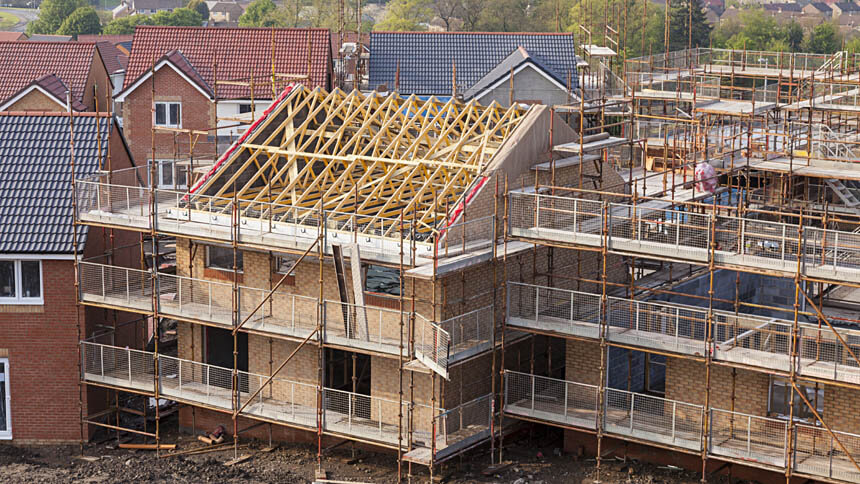
our sector forecasts, and housing at all scales of development remains the
primary engine that is sustaining modest growth in overall workloads.
In contrast, the commercial sector workload forecast fell back
significantly, with a balance figure of +2 in August 2017, down from +8 in
July. Both the community sector workload forecast (balance figure -7) and the
public-sector workload forecast (balance figure -4) fell back this month, and
now stand in negative territory, indicating that our practices anticipate a
fall in public and third sector work in the next quarter.
Mirroring our Workload Index, the RIBA Future Trends Staffing
Index also fell this month, to +5 in August 2017 from +10 in July. However,
most practices still expect their permanent staffing levels to either remain
the same or increase over the coming quarter. Large practices (51+ staff), with
a balance figure of +25 and medium-sized practices (11 - 50 staff), with a
balance figure of +21, were more confident about future staffing levels than
small practices (1 - 10 staff) with a balance figure of just +2.
RIBA
Executive Director Members, Adrian Dobson, said: “August’s RIBA Future Trends
survey continues with the consistent themes we have seen over summer 2017,
namely a steady outlook in the medium term, but a sense of a more unpredictable
longer-term outlook .
“Housing remains the area of most growth, though many of our
corresponding practices report that fee competition remains fairly intense.”