England’s homes produce more carbon emissions every year than is produced by all of the country’s cars, reveals new research from the National Housing Federation (NHF), which represents housing associations in England – social landlords to over 6m people.
The research calculates for the first time that England’s 25m homes – which produce 58.5m tonnes of C02 every year – emitting the equivalent of the average annual use of 28m cars. There are 27m million cars in use in England, emitting 56 million tonnes of C02 annually.
The emissions from homes are so high due to a combination of gas central heating and poor insulation, meaning heat easily leaks out of homes which then require even more gas to keep them warm enough.
This means the average family or household in England is currently producing more CO2 every year just by living in their home than they are by driving.
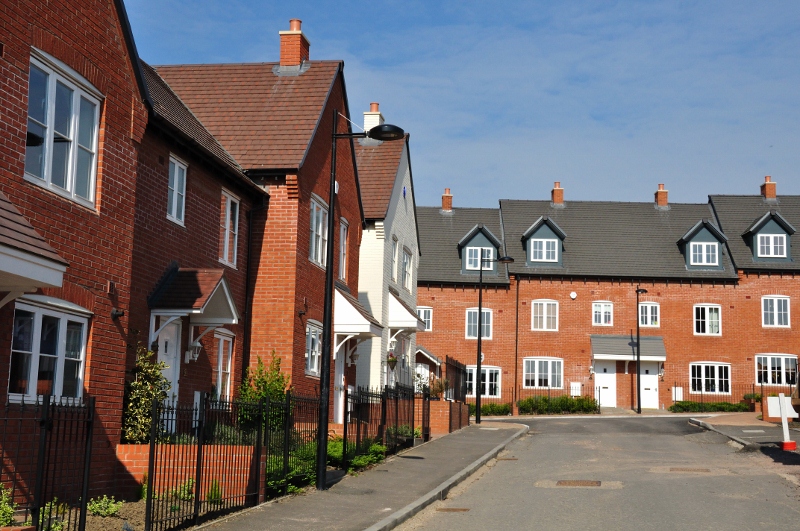
The shocking findings highlight why it is critical that making the country’s homes more energy efficient needs to be prioritised in order to meet the government’s ambitious net zero by 2050 target, and ultimately lead the way in the deep cuts to carbon emissions urgently needed if we are to stabilize the rising temperatures, extreme heatwaves, droughts and flooding seen around the world this year.
However, many people are unaware of the issue or unable to make their homes greener. Recent research, for example, found that three in every five (60%) homeowners don’t think their home energy use has much of an impact on carbon emissions. More than one in four homeowners (28%) have no plans to make “eco-upgrades” to their homes in the next ten years.
That’s why the NHF is calling on the government to put £3.8bn into the retrofit of social housing at the upcoming Spending Review. Social housing landlords often own thousands of homes, can make them energy efficient at scale and have the necessary systems set up and ready to act. Unlike private landlords and homeowners they can retrofit whole streets, estates and even neighborhoods simultaneously.
In 2019 alone more than 100,000 social homes had their energy efficiency improved, but government funding would enable housing associations to go further, getting the two million homes they own and manage to EPC C by 2030 and setting them up to go on to be fully carbon neutral. Achieving carbon neutrality for these homes would be the equivalent of taking 1.8m cars off the road indefinitely – the equivalent of all of the cars in Manchester and Birmingham combined.
Kate Henderson, Chief Executive of the National Housing Federation, said: “For too long the impact of housing on climate change has been overlooked. While we’ve become more conscious of the vehicles we drive, the amount we recycle and what we eat, these shocking new figures must now force us to recognise the enormous role our draughty homes are having.
“If we don’t start making serious progress on decarbonising and retrofitting our homes, we won’t achieve the government’s target of net-zero by 2050. It’s critical that we act now. Independent and government experts have made it clear that without serious urgent action, we’re looking at a global climate catastrophe. It’s increasingly obvious the climate crisis has already arrived and industries, government and individuals must all do our part to prevent it getting worse.
“Housing associations are already planning to invest billions in retrofitting their homes, but we can’t do it alone. However with support from government there’s a clear opportunity here to retrofit millions of homes at scale and pace. That’s why it’s vital that the government delivers on its pledge of £3.8bn for retrofitting social homes in the Spending Review this year. We can then work together to help the country lead the way in climate friendly, net-zero housing.”