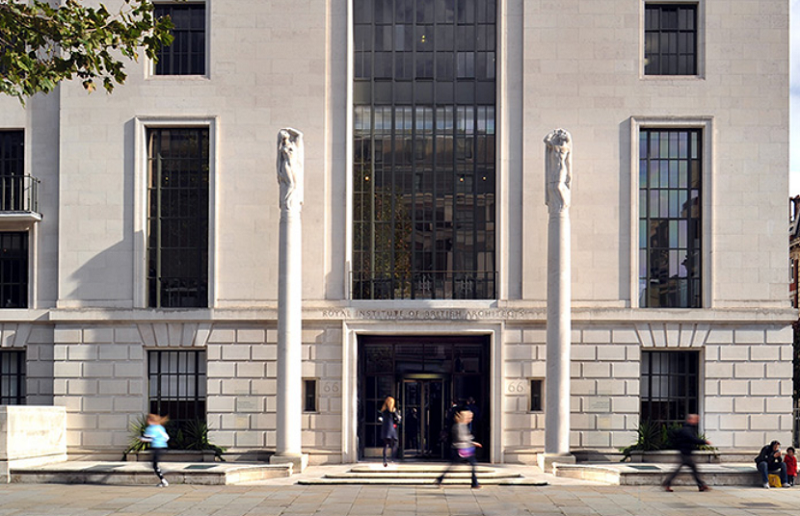
The Royal Institute of British Architects (RIBA) has published the latest Future Trends survey results, a monthly report of the business and employment trends affecting the architects’ profession.
In January 2022 the overall RIBA Future Trends Workload Index was positive, remaining at +18. Looking ahead to the coming three months, 31% of practices expect workloads to increase, 55% expect them to stay the same and only 13% expect them to decrease.
Once again, the private housing sector expects to grow the most, returning a balance figure of +20, up six points from December. The commercial sector (+6) and public sector (0) remained on the cusp of positive territory, despite experiencing a confidence drop. The community sector remained at -1.
Reassuringly, all practice sizes continue to be confident about future workloads. Small practices (1 - 10 staff) returned a positive balance figure of +16, up by one point; large and medium-sized practices (11 - 50 and 51+ staff) also remained positive, returning a figure of +33; and half of mid to large sized practices expect workloads to grow.
Across the country, the outlook looks broadly positive, apart from the Midlands & East Anglia, where confidence levels fell sharply to -5 from +15. London remained confident at +16, up nine points from December; the North of England rose by 12 points to +40; the South of England also climbed to +18; and Wales & the West remained at +26.
In terms of staffing:
- The RIBA Future Trends Permanent Staffing Index increased by one point to +9.
- 14% of practices expect to employ more permanent staff over the coming three months, 5% expect to employ fewer and 81% expect levels to stay the same.
- With a combined balance figure of +22, expectations for staff recruitment remains highest among medium and large-sized practices (11+ staff). Small practices (1 - 10 staff) also expect staffing levels to increase but have a more cautious approach, returning a balance figure +6. Only 10% of smaller practices are looking to take on more staff.
- All regions said they anticipate the number of permanent staff to increase, with recruitment levels strongest in Wales. One in five practices in the region are looking to recruit.
- Personal underemployment fell by two points to 11%.
RIBA Head of Economic Research and Analysis, Adrian Malleson, said: “Overall, 2022 has had a strong start, and architects seem to be looking forward to the coming months with confidence. After two years of unprecedented swings in the monthly workload predictions, some stability has returned to the sector, and we can see workloads are continuing to increase. The commentary received in January paints a positive picture, as practices report strong levels of enquiries and new work coming in. The housing sector is particularly optimistic.
“Nevertheless, significant supply challenges remain, as a shortage of materials, tradespeople, and professionals puts a brake on growth. Inflationary pressures are mounting, and escalating costs and reduced availability of construction materials continues to impact project delivery. Some practices even report clients abandoning projects in the face of rapidly inflating product costs.
“We will continue to report these findings to the Government and work with other built environment bodies to monitor ongoing trends. As ever, we are on hand to provide the support and resources our members need.”