The Royal Institute of British Architects has published the latest report on architecture business and employment trends, RIBA Future Trends July 2025.
The July report shows that architects remain positive about their future workloads – the RIBA Future Workload Index rose very slightly to +9, continuing six months of optimism.
While current workloads are still lower than a year ago, staffing intentions remain positive, with both permanent and temporary recruitment outlooks improving.
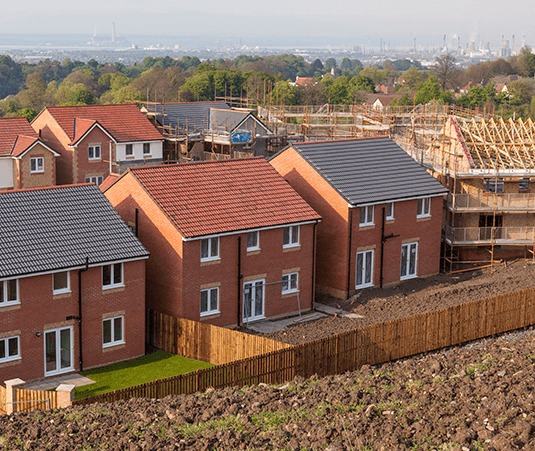
Alongside this broadly positive picture, July’s data shows that the Private Housing sector has weakened significantly over recent months. From a high in May, the Workload Index for housing has fallen to zero, as confidence in the sector falls, and practices no longer expect growth in the sector.
Adrian Malleson, RIBA Head of Economic Research and Analysis, said: “Architects have maintained a positive outlook for future work for the sixth consecutive month Positive indicators include an improving outlook for the commercial sector, a positive outlook for the public sector, and continued broad-based expectations for growth in both staffing and overall workload. Despite this optimism, two areas suggest there may be challenges ahead.
“The housing sector, crucial to smaller practices especially, has seen a marked decline in workload expectations over the past two months. London, the largest market for architects' services, has seen a significant drop in confidence during June and July. Much of the commentary received this month focuses on the domestic sector. Practices report it being subdued, due to weak consumer confidence, increased construction costs, planning delays, and technicians winning smaller projects. A weaker overall housing market is reported to be contributing to the slowdown.
“Practices also note increased competition, downward fee pressure, persistent planning delays and slow project progress. On the upside, some practices describe a broadly improving market. Even within the residential sector, some sub-sectors are reported to be performing well, such as projects for those at or nearing retirement, high-end residential refurbishment, and work in conservation areas.
“Commentary also includes a positive assessment of new opportunities for projects developed on 'grey belt' land. Many practices seek a period of sustained economic and legislative stability to support client investment.”