After showing some signs of resilience at the start of 2026, the UK construction sector recorded an accelerated downturn in output levels during the latest survey period.
The seasonally adjusted S&P Global UK Construction Purchasing Managers’ Index (PMI) – a headline index tracking changes in total industry activity – registered 44.5 in February, down from January's seven-month high (46.4) and indicative of a solid reduction in overall business activity.
Anecdotal evidence mostly cited weak order books and a lack of new project starts. Several firms also noted that exceptionally wet weather had delayed some work on site in February.
Residential building remained the weakest-performing segment in February (index at 37.0) and the rate of decline accelerated since January.
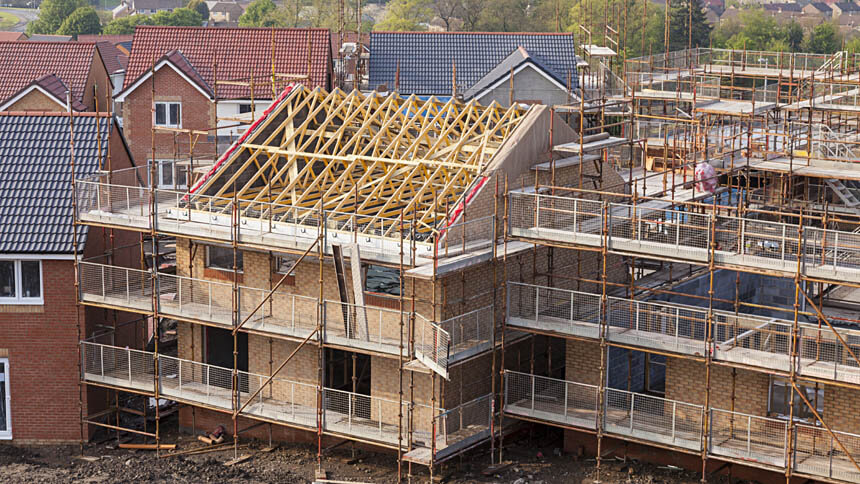
Commercial construction activity (46.5) also decreased at a faster pace than at the beginning of the year, but the speed of the downturn was much less marked than seen across the rest of the construction sector.
Civil engineering was the only sub-sector to record a slower fall in activity levels during February. Although still sharp, the latest index reading (41.0) pointed to the slowest rate of contraction since September 2025.
February data pointed to a sharp and accelerated decline in total new work across the construction sector. Lower volumes of new business have been recorded in each month since January 2025. The latest decline was mainly linked to sluggish demand conditions, although there were some reports of a turnaround in tender opportunities for infrastructure and energy sector work.
Business activity expectations meanwhile improved to the highest since December 2024. Around 42% of the survey panel forecast a rise in output levels during the year ahead, while only 12% anticipate a decline. This was attributed to expected new contract wins on major projects and hopes of a broader turnaround in demand conditions. However, many firms also commented on heightened political and economic uncertainty.
Improving business expectations appeared to support employment numbers in February. Overall staffing levels were close to stabilisation, which contrasted with steep job losses at the end of last year.
Purchasing activity continued to fall sharply in February, with the rate of decline slightly steeper than at the start of 2026. Weaker demand for construction products and materials contributed to a sustained improvement in supplier performance. Lead times have now shortened for seven consecutive months.
Construction companies again faced pressure on their margins from sharply rising input costs. February data signalled the steepest rise in average cost burdens since July 2025. Many firms noted higher prices paid for items such as concrete, copper, insulation and steel.
Tim Moore, Economics Director at S&P Global Market Intelligence, said: "A sharper downturn in house building was the main factor behind the setback for UK construction activity in February, following some signs of stabilisation at the start of 2026. Total industry activity has decreased in each month since January 2025 and the latest decline was faster than seen on average over this period.
“The reduction in output was largely due to sluggish demand conditions, but some firms also noted that exceptionally wet weather had disrupted construction projects.
"Construction companies were hopeful of a turnaround in business activity over the year ahead, with optimism levels hitting a 14-month high in February. This was often linked to forthcoming new projects in the infrastructure and energy sectors, as well as projected improvements in broader economic conditions.
"Sharply rising input costs were a challenge in February. The rate of purchasing price inflation hit a seven-month high as suppliers passed on rising raw material costs, especially metals."