Kirstie Manning, National Specification Manager at Wilsonart, explores how informed bathroom surface specification can help building professionals meet ESG, compliance and sustainability goals without compromising component performance or aesthetics.
The drive for sustainable construction is undeniably growing right across the UK’s residential construction sector, with waste-to-landfill targets and landfill diversion commitments now central to procurement decisions.
Bathroom specification is not exempt from these ongoing changes, and surface selection methods can present distinct challenges for meeting sustainability goals.
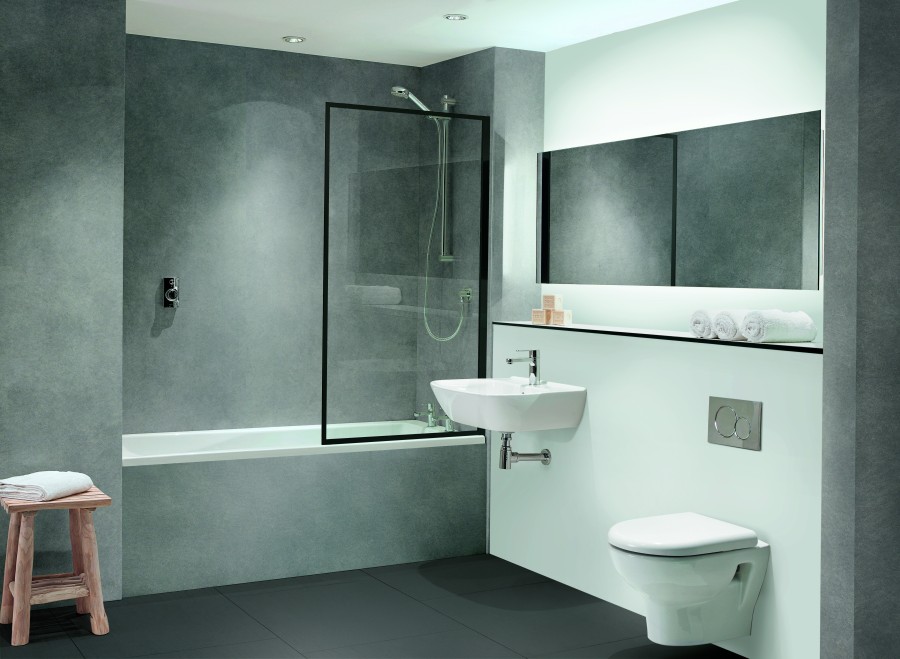
How traditional tiling can undermine sustainable efforts
While traditional tiling has long remained a popular choice in bathroom installations, there are various environmental reasons why their use on residential construction projects should be avoided.
For one, fitting traditional tiling involves the application of water-based grout and adhesive mixes, a process which can use significant amounts of water. Indeed, according to calculations made by Wilsonart, a developer building approximately 5,000 homes could easily end use over 250,000 litres of water, simply to install bathroom wall tiles.
Additionally, the mixing process can often be especially water intensive, particularly when taps are left running to wash tools and other materials following use. Not only can this add considerably to the overall cost of the project, it can also undermine developers’ responsibilities to limit the amount of water they use.
Furthermore, accumulating large amounts of single-use plastic waste, including spacers, wedges and their packaging, add significantly to the overall waste on a project, impacting commitments to reduce the level of material that is sent to landfill.
The production of traditional tiling, meanwhile, is especially carbon intensive given that the process includes thermal treatment of tiles, typically using kilns that burn natural gas, a fossil fuel. The combustion of this gas produces the greenhouse gas carbon dioxide, which contributes substantially to the overall carbon footprint of bathroom installations.
As traditional bathroom tiling tends to be so heavy, delivering the material to site is a significant contributor to overall carbon emissions, given the amount of fuel that’s required for its transportation.
Bathroom wall panels are typically around 75% lighter than traditional tiles, meaning the carbon footprint generated during transportation to site is significantly lower.
The importance of smart wall surface selection
Smart wall surface selection can prove highly effective in mitigating these issues. By reducing the level of water waste, as well as the amount of adhesive and grout residue and single-use plastic waste generated on site, developers are discovering the benefits of using bathroom wall panels that don’t require traditional grout or adhesive mixing. These panels not only emit far less carbon both in their production and installation, but also greatly enhance the overall finish of the space, retaining that ‘day one look’ throughout their entire lifespan.
In making these considerations around their bathroom wall surface selection, developers can greatly reduce the environmental impact of their projects.
For more about Wilsonart’s Wetwall brand of greener and smarter bathroom wall panel solutions for residential and commercial spaces, visit https://www.wilsonart.co.uk/wetwall.