The two-year research project, led by Northumbria University in partnership with Gateshead Council and PPSL District Heating, has created a best practice template for community engagement.
The independent research examined the experiences of residents connected to a district heat network as part of a low-carbon heating retrofit programme.

The final report from Northumbria University has highlighted the critical role that resident engagement plays in the successful rollout of district heat networks, with findings showing that early communication, collaboration and trust are just as important as engineering expertise.
The work was carried out as part of Northumbria University’s TRUST project (Transitioning Retrofit Users to Sustainable Technologies).
The findings were presented - by principal investigator Michael Smith - to Gateshead Council stakeholders, including engineers, planners, housing officers, public health teams and contractors, with the aim of embedding best practice into future heat network projects.
Researchers found that residents valued regular face-to-face contact with contractors and council officers and appreciated having concerns addressed quickly throughout the installation process. The study also identified opportunities to improve future projects, including engaging residents earlier, providing clearer and more consistent information, and simplifying practical aspects such as billing and gas disconnection.
One of the most striking findings was that every household invited to join the pilot heat network chose to connect.
When asked how they were finding life after the transition, one resident summed up the experience simply: "I turn the tap on and hot water comes out."
Ben Leach, Managing Director of PPSL District Heating, said: “District heat networks are often discussed in terms of engineering, infrastructure and carbon reduction, but this research demonstrates that people are at the heart of every successful project.
“We have always believed that taking the time to engage with residents, answer questions and work alongside communities is essential. It's encouraging to see that independently validated through this research.
“The overall aim was to make sure that the community had a positive experience of the transition to greener heat while successfully extending the existing heat network to more homes.
“As more towns and cities transition towards low-carbon heating, building trust with residents will be every bit as important as delivering the technical aspects of a project.
“We're proud to have worked alongside Northumbria University and Gateshead Council on research that will help shape best practice across the sector.”
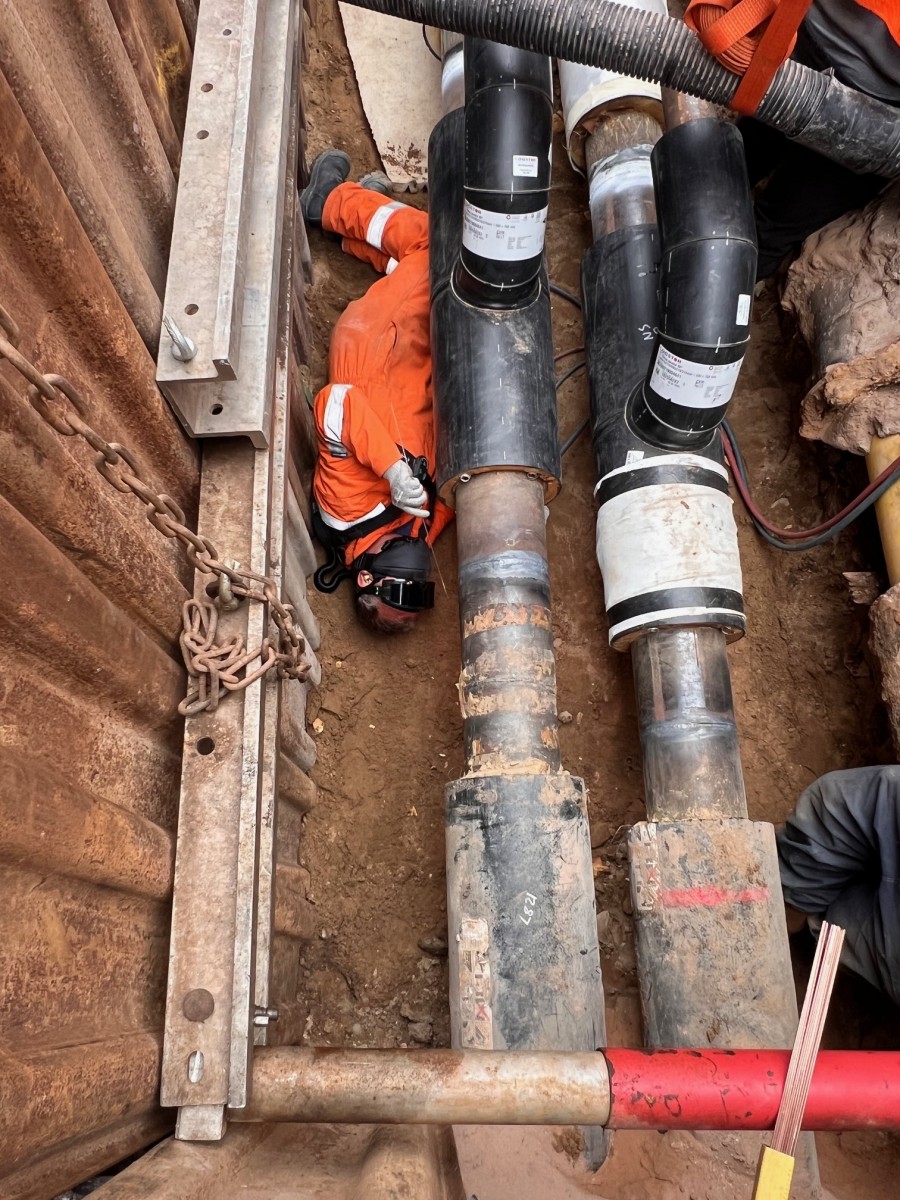
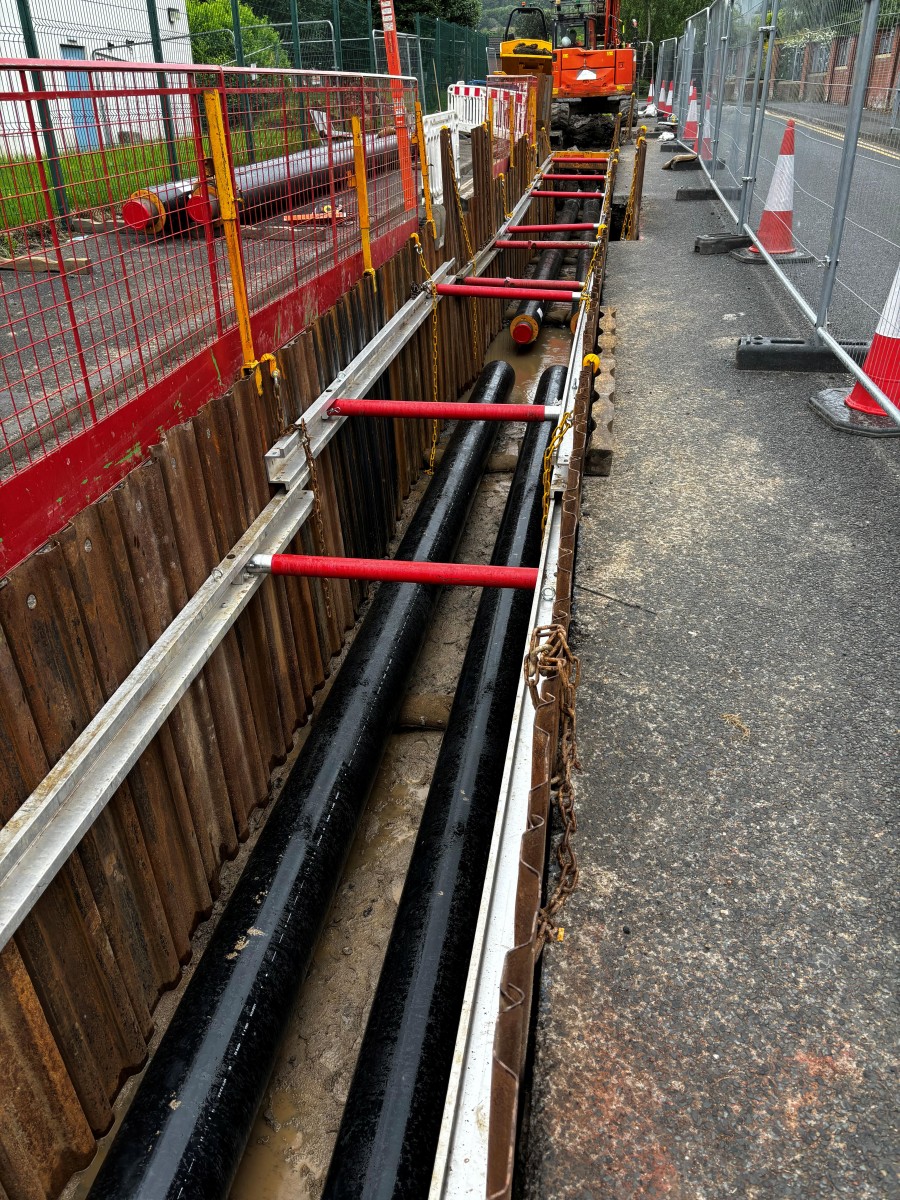
The PPSL team went above and beyond with extra gestures such as excavating and temporarily replanting a vegetable patch in containers for one of the residents whose garden was disrupted by trenches for new pipework. They then replanted them after the work was completed.
The project produced practical guidance to support future district heat schemes, including recommendations for engaging residents throughout retrofit projects and a new infographic outlining key principles for delivering smooth heat network transitions.
The research also reinforced the value of collaboration between local authorities, universities and delivery partners in ensuring that communities remain at the centre of the UK's journey towards net zero.
The findings are expected to inform future district heating projects as local authorities across the UK continue investing in low-carbon heating infrastructure.