Our summers are getting hotter. England recently recorded its warmest June on record, almost 3°C above the long-term average, following an unprecedented late-May heatwave. For social housing providers, this creates an increasing challenge as overheating becomes more common and regulatory expectations continue to grow.
Climate change is already putting more UK homes at risk. The Climate Change Committee estimates that around half of UK homes are currently vulnerable to overheating, rising to 92% by 2050.
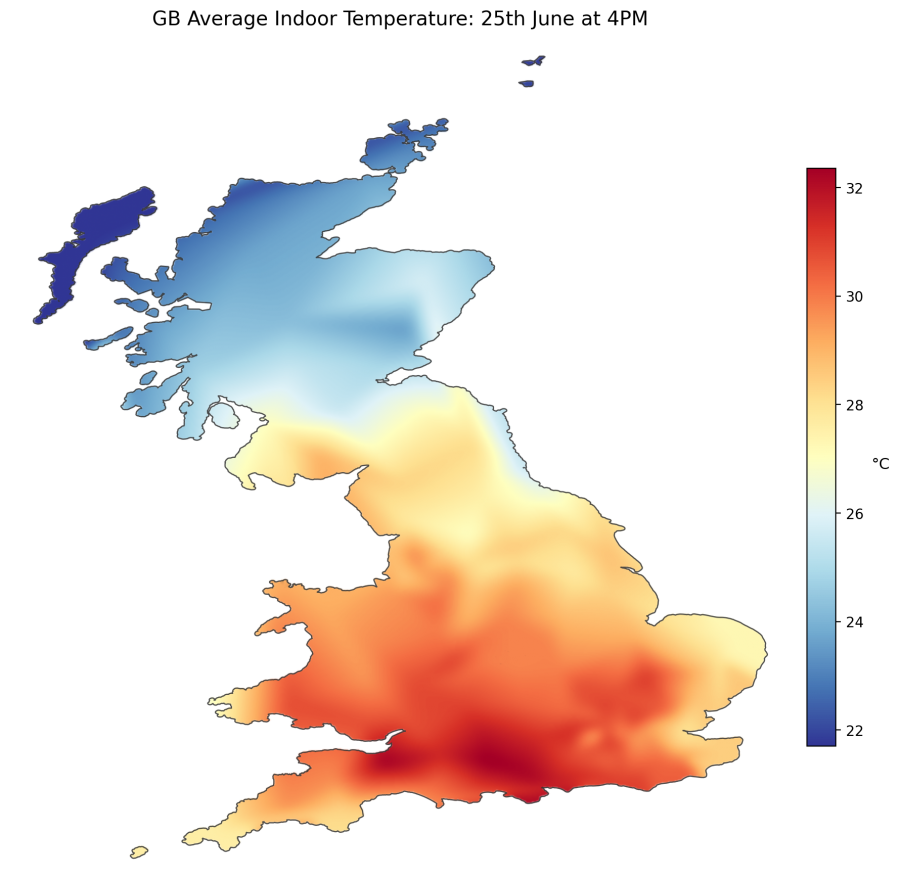
HomeLINK data reflects this trend. During the June heatwave, Aico’s Data Science Lead, Dr Silviu Nistor, analysed average indoor temperatures across connected properties. Temperatures exceeded 25°C across most of England and Wales and parts of Scotland, while some areas in southern and south-west England recorded indoor averages above 32°C.
Although there is no single legal definition of an unsafe indoor temperature, several recognised thresholds provide useful guidance. The World Health Organization suggests that temperatures from 24°C can cause discomfort or harm to vulnerable residents. BRE guidance identifies 25°C as a point where health risks increase, while CIBSE TM59 states that bedrooms should not exceed 28°C for more than 1% of sleeping hours.
HomeLINK uses 25°C as the starting point when assessing overheating risk, while also considering factors such as outdoor temperature and changing weather conditions. Risk also depends on the resident and property. An elderly person living in a top-floor flat may be far more vulnerable than a healthy adult living in a well-ventilated house.
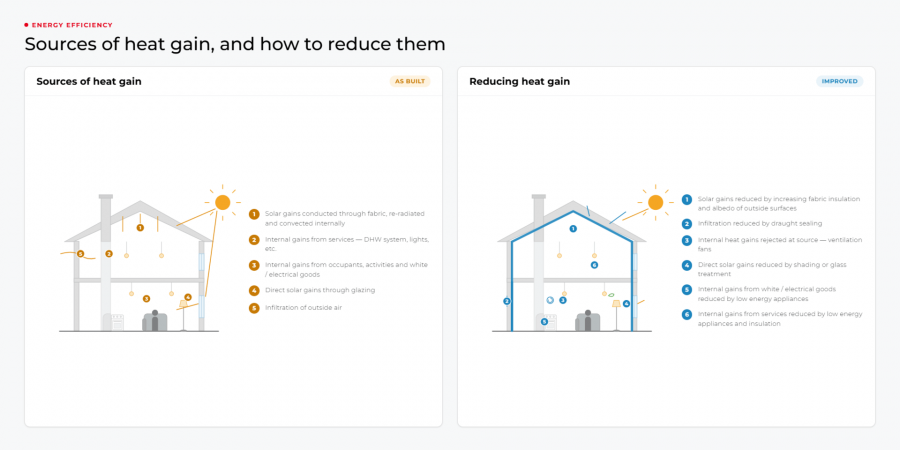
Landlords can reduce overheating through measures including improved insulation, double glazing, reflective roof coatings, shading, blinds and shutters. Good ventilation is equally important, particularly in well-insulated homes that retain heat overnight. Opening windows and doors safely, using fans and improving ventilation around cooking appliances can all help remove excess heat.
From October, Phase 2 of Awaab’s Law will extend inspection and repair requirements to additional hazards, including extreme heat. Social landlords may therefore face tight deadlines when responding to overheating complaints.
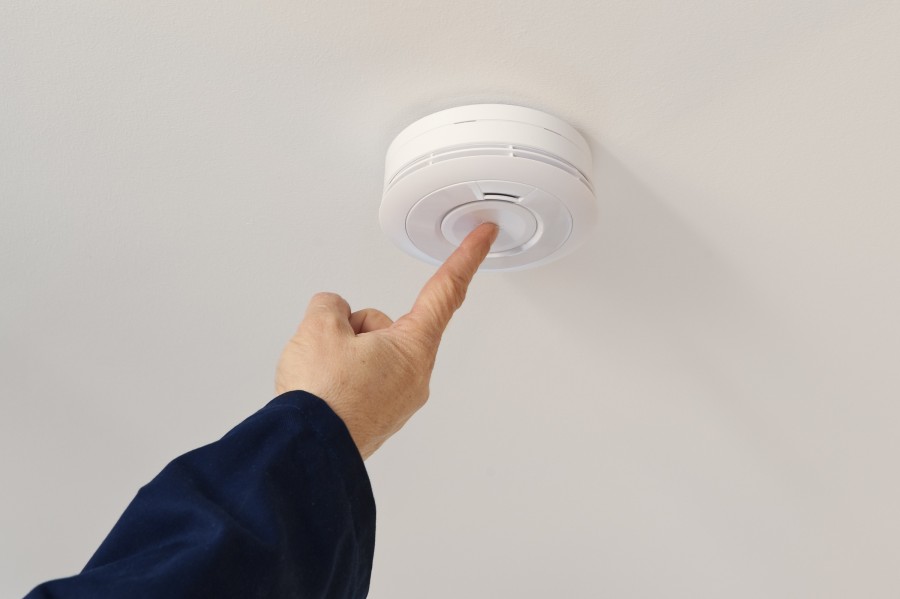
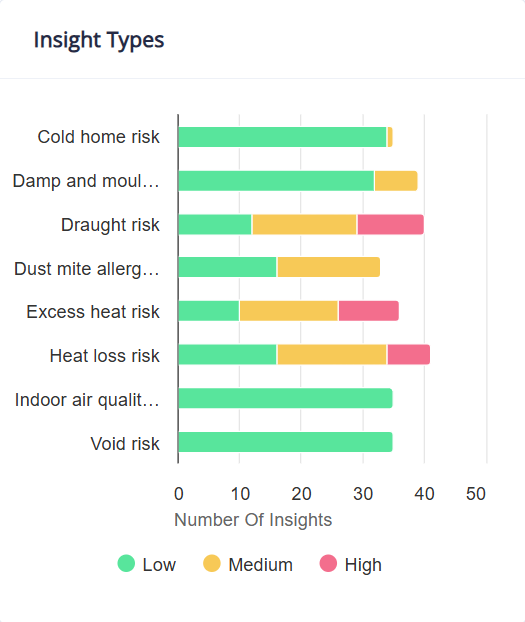
HomeLINK helps providers take a more proactive approach. Sensors continuously monitor temperature, humidity and CO2, giving landlords a clear view of overheating risk across their housing stock. The dashboard highlights high-risk properties and can issue alerts when potentially hazardous temperatures are reached. Residents can also view live temperature information and take action earlier.
By identifying vulnerable homes before extreme weather arrives, landlords can prioritise improvements, support residents and prepare for Awaab’s Law Phase 2. Waiting until next summer could leave providers facing avoidable pressure and a surge of urgent cases.