Subsidence remains one of the most disruptive problems a residential or period property can face, and for specifiers weighing up repair options, the method chosen often determines how long a building stays out of use. Preformed Substructures, an installer of screw pile foundations across London and the South East, says helical piling can stabilise a failing foundation in a fraction of the time traditional underpinning takes.
A quicker route than conventional excavation
Conventional underpinning involves excavating beneath existing foundations in sections, pouring concrete, and waiting around 28 days per section for it to cure. Depending on the extent of the damage, this can mean four to eight weeks of works, often with the building vacated for safety reasons.
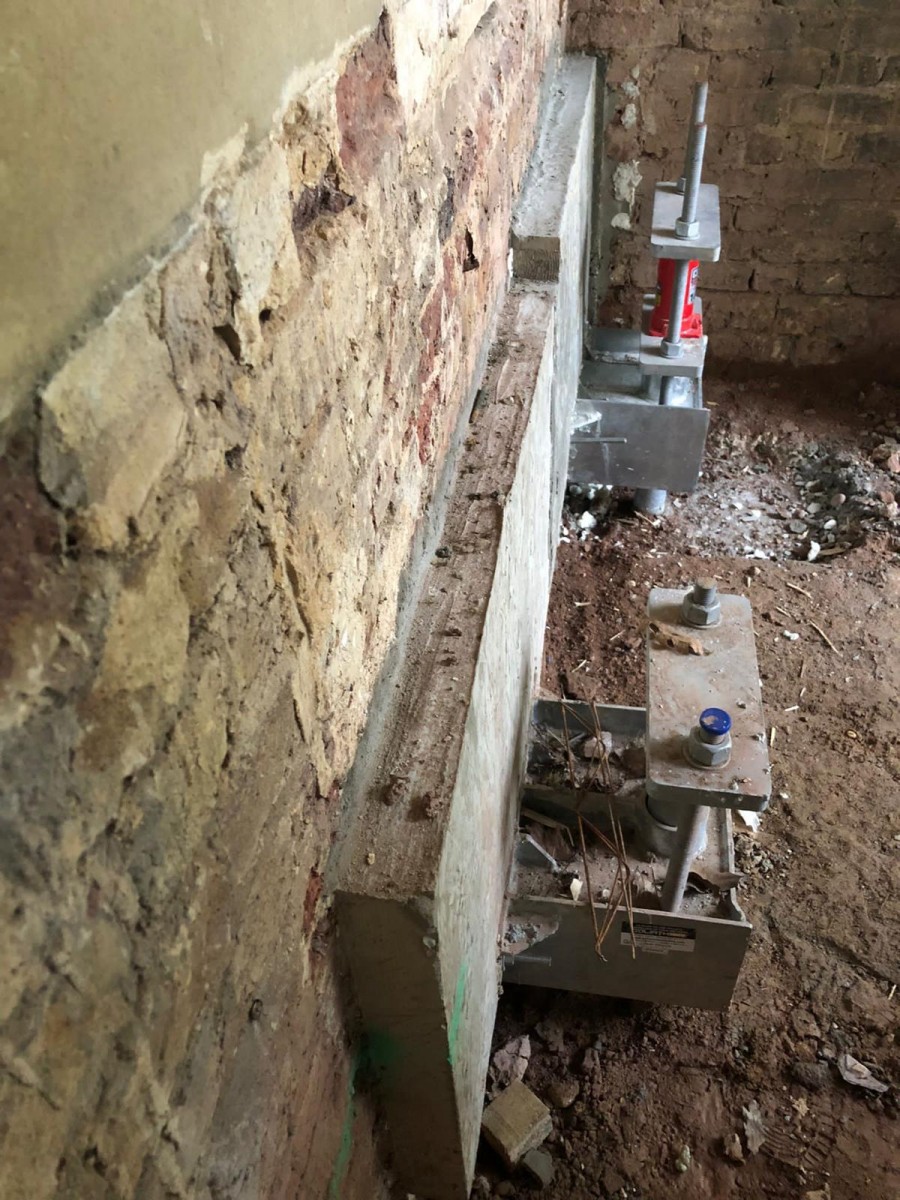
Screw pile underpinning takes a different approach. Steel helical piles are installed adjacent to the existing foundation using compact, low-vibration equipment, then connected via a bracket that transfers the structural load onto stable ground below the affected zone. Because there's no concrete to cure, load transfer is effectively immediate once the piles are torqued to the required capacity. Preformed Substructures reports typical installation times of two to five days, with occupants able to remain in the property throughout.
Suited to restricted and sensitive sites
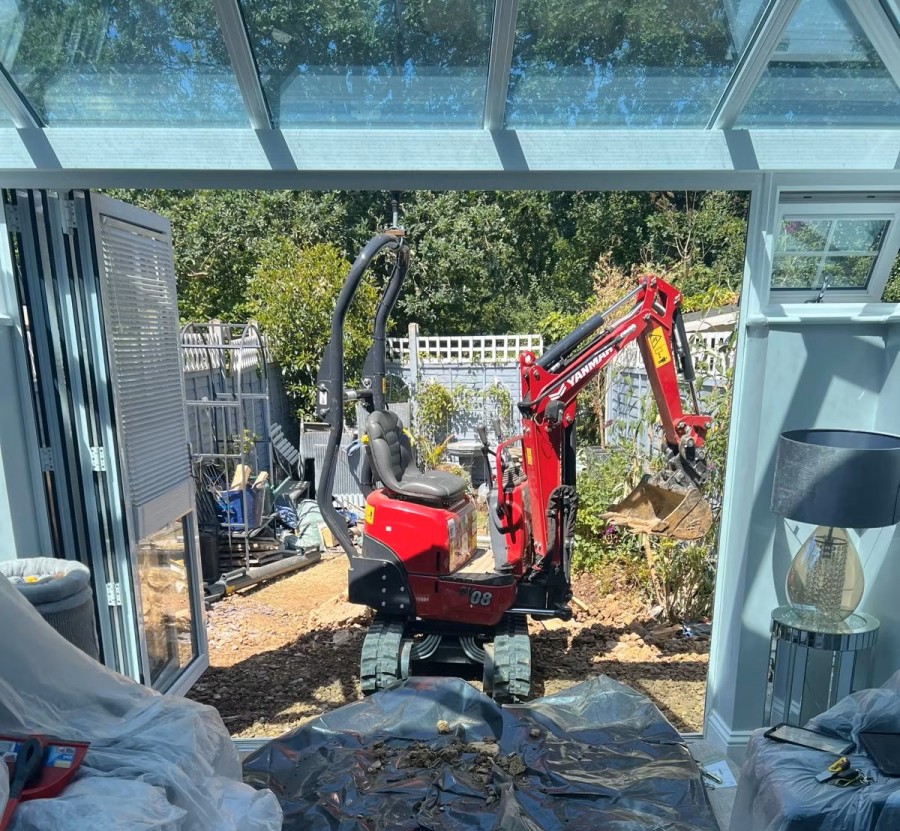
The approach may particularly suit sites where conventional piling rigs simply won't fit. Terraced houses with no side or rear access, restricted urban plots, and listed buildings with shallow historic foundations can all pose problems for excavation-based methods. Screw pile equipment is generally compact enough to pass through a standard doorway, which can make it a workable option even where materials have to be carried through an occupied house to reach the work area.
Common causes of subsidence, including clay shrinkage, tree root moisture extraction, and gradual settlement on poorly compacted fill, tend to affect a localised section of foundation rather than the whole structure. Anchoring that section to competent ground at depth, rather than rebuilding it in place, is the underlying principle behind the method, though as with any remedial foundation works, the appropriate solution should be confirmed by a structural engineer against site-specific ground conditions and monitoring data.
A practical option for insurers and engineers
For insurers, loss adjusters and structural engineers handling residential subsidence claims, the reduced disruption and shorter programme can be a useful factor when comparing repair routes, particularly on cases where access or previous ground treatment, such as resin injection, has already ruled out some conventional options.
Preformed Substructures works with structural engineers, surveyors and contractors across London, Surrey, Kent, Hertfordshire, West Sussex and East Sussex. For more information on screw pile underpinning and other foundation solutions, visit preformedsubstructures.co.uk or call 0203 4883835.