Natural crop-based building materials – such as hemp and straw – are of growing interest for the construction of new homes in the UK, a new report by the NHBC Foundation has found.
But the report also advises that there are risks associated with using such materials and highlights that at the current time relatively little robust evidence exists to support their long-term performance as currently used.
Crop-based materials have been used historically in the construction of houses and farm buildings in the UK – typically for cob walls and cellulose-based materials such as straw and reed for thatching roofs. But for a long time, the use of these traditional materials has been in decline. However, in recent years, there has been a renewed interest in the use of traditional cellulose-based materials including hemp, reed and straw, for walling and roofing new homes due to their renewable, low embodied energy and insulation qualities.
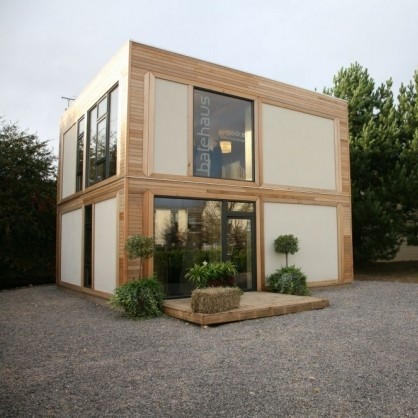
Projects such as Bath University's Balehaus have shown what could be achieved with such construction materials.
The use of hemp in buildings is a recent development as it was illegal to grow hemp in the UK from 1928 to 1993 because it is a member of the cannabis family. Hemp and lime panels have now been used in the construction of a number of buildings in the UK including the recently-completed BREEAM ‘Excellent’ Cheshire Oaks Marks & Spencer retail store near Ellesmere Port.
The NHBC Foundation report Cellulose-based building materials: use, performance and risk is aimed at assisting those interested in pursuing the use of natural materials such as hemp, straw, cob and thatch in new homes and guiding them towards sources where further information and data can be obtained. The research review identifies a number of risks commonly associated with the use of such materials - including biological degradation, infestation, presence of moisture and structural degradation – as well as assessing their likely performance and benefits.
Graham Perrior, NHBC's Standards and Technical Manager, said: “Crop-based building materials – such as hemp and straw - have the potential to make a significant contribution to the low-carbon building sector.
“However, there are risks associated with using them, not least of which is damage or premature degradation caused by the unwanted presence of damp and moisture. At present there is relatively little long-term performance data available, so the use of these materials must be supported by meaningful guidance, appropriate test evidence and independent certification. Existing and future projects will need to be reviewed and monitored over the long term if we are to strengthen the knowledge base on good practice."