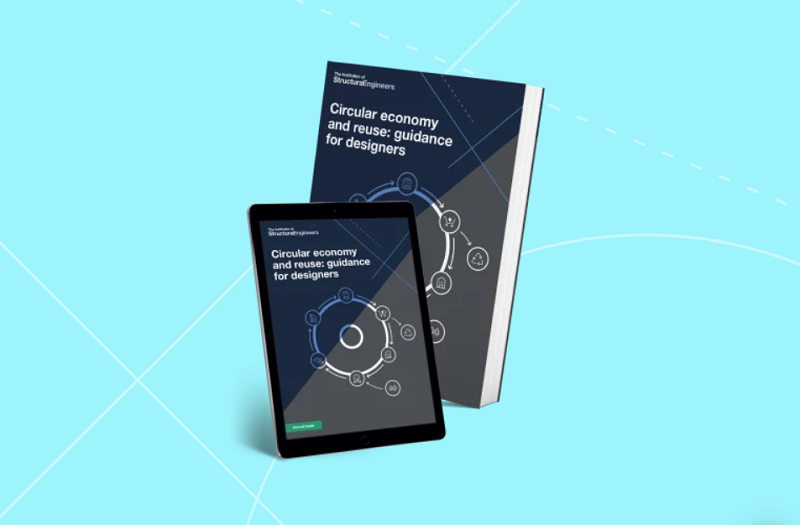
The Institution of Structural Engineers’ (IStructE) new guidance focuses on the circular economy as part of the answer to tackling climate change and resource depletion in the built environment.
Collaboration amongst all players in the built environment is essential for the circular economy, says Duncan Baker-Brown, a senior architect, academic and environmental activist in his foreword to new guidance from the Institution of Structural Engineers (IStructE) called ‘Circular economy and reuse: guidance for designers.’
Baker-Brown’s introduction, ‘Making a circular economy happen’, emphasises that the architecture, design, engineering, and construction community has the collective knowledge to instigate changes to reduce waste.
“To effect real systems change we need to work together”, Baker-Brown says, “to share information and exchange ideas as no one person or institution can do this alone. One thing is sure – resource security is a thing of the past. We need to develop our built environment in a different way – one that uses new material and components much more sparingly, and that prioritises reuse. We need to reduce the need for new stuff, and we need to do that now.”
The guide’s lead author is Penny Gowler, a circular economy expert, and Director and Head of Sustainability at Elliott Wood, the UK-based engineering company.
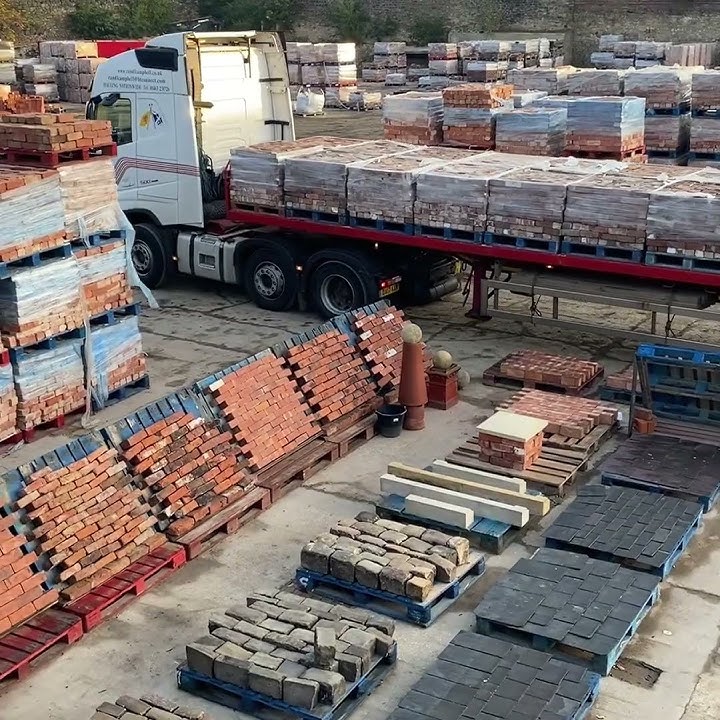
Speaking of the business case for reuse, Penny says: “It’s important we start to use our buildings as material banks. Whilst we need to prioritise reuse of buildings in situ - and we dedicate a quarter of the book to this topic - we now need to be reusing the materials that come out of buildings demolished or deconstructed, rather than business as usual recycling. This guide will tell you how to go about this for the main structural materials.”
Will Arnold, Head of Climate Action at IStructE adds: “The Institution’s new circular economy guide is an essential read – outlining how we can reuse buildings and materials today, as well as planning for further reuse in the future. Our profession must move towards a circular economy if we are to tackle the climate, ecological and resource crises facing humanity.”
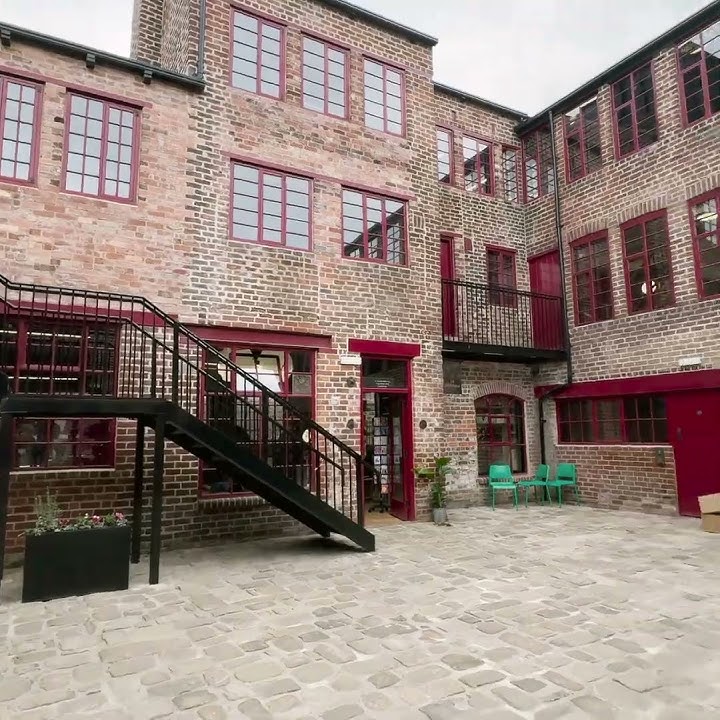
Alongside Penny Gowler as the lead author, more than twenty other engineers contributed, with examples of projects that exemplify circular economy best practices in the built environment, illustrating examples where existing buildings have been transformed into some of the most exciting and dynamic places in the built environment – such as Sea Containers House in London, and the regeneration of the Newton and Arkwright Buildings at Nottingham Trent University.
The guidance is split into four sections:
- Get Informed outlines the principles of a circular economy and demonstrates how transitioning to this will reduce the negative impacts of our existing linear economy.
- Reuse of existing buildings has five chapters that explain how structural engineers can maximise positive impacts by retaining existing built assets for as long as possible, assessing their condition and potential for reuse and adaptation.
- Reuse of materials explains how to use reclaimed structural materials in new designs, covering the legal and insurance considerations for reuse of components and materials.
- And the final section Designing for the future describes the principles to follow when designing a building to be completely adaptable and demountable in the future.
Will Arnold concludes: “Avoiding the consumption of new resources is at the heart of designing for circularity, reducing impacts on nature and the climate. This guidance offers practical ways this can be done, by sharing good practice with examples, case studies and recommendations. It’s a must-have resource for everyone that works for and in the built environment.”
Circular economy and reuse: guidance for designers is relevant given the circular economy’s adoption is key to the UK government’s strategy to meet its net zero objectives.
The guidance is available from IStructE’s website from 11 July 2023: https://www.istructe.org/resources/guidance/circular-economy/