Asking questions such as, ‘Can LEDs keep you awake at night and damage your brain?’ and ‘Can special lighting help people with dementia?’, an international team of research scientists has reviewed recent research into the effects of lighting on people.
Several recent studies into the type, quality and patterns lighting in buildings have shown that their impacts go far beyond the obvious safety issues of providing enough light for people to see.
In a new BRE Trust funded report, Lighting and Health, researchers from BRE and from universities in Istanbul and Eindhoven have reviewed this work and summarised the factors – such as the effects on health and mood – that buildings occupiers, owners and designers should be aware of.
The report explains the scientific basis for issues such as human circadian rhythms, which can have profound effects on a person’s wellbeing. The variation of light from day to night helps to properly maintain the circadian cycle in the body, which can determine patterns of alertness, co-ordination, blood pressure, cardiovascular efficiency and other functions in a 24-hour period. It is therefore important to maintain bright light during the day and relative darkness at night.
The report’s authors also examined a number of practical solutions for improving lighting. Providing daylight in buildings, for example, is often a convenient way of regulating circadian rhythms, resulting in improved health and mood. In principle, bright artificial light could give similar benefits, but daylight provision also gives some contact with the outside which can further improve health and mood.
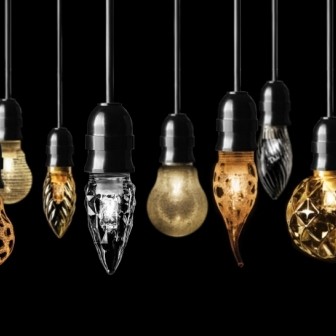
Fluorescent lighting with magnetic ballasts and some LEDs, on the other hand, can flicker causing headaches, eyestrain or epileptic seizures in some people, and exacerbate the symptoms of autism and agoraphobia. Switching to high frequency fluorescent lighting, or different types of LED, avoids these problems.
In addition the authors consider a number of topical questions such as whether special lighting can help people with dementia. One of the symptoms of dementia, for example, can be disrupted circadian rhythms with sufferers being awake at night more often. Exposure to bright light during the day, along with darkness at night, can help.
Lighting and Health concludes with recommendations for building managers and occupants, for designers, and for elderly or visually impaired people.